 By Alexis Grace
When designing a room, windows are often treated as an afterthought. Yet, they serve as the architectural framework of your space, dictating how natural light interacts with your furniture, paint colors, and flooring. Choosing the right window treatment bridges the gap between raw construction and a polished, high-end interior. The proper selection introduces rich tactile elements, manages privacy, and anchors the aesthetic of your entire home. Moving beyond basic functional coverings requires an understanding of how distinct styles, fabrics, and textures can completely transform a room.
Embracing Organic Textures with Woven Wood Shades
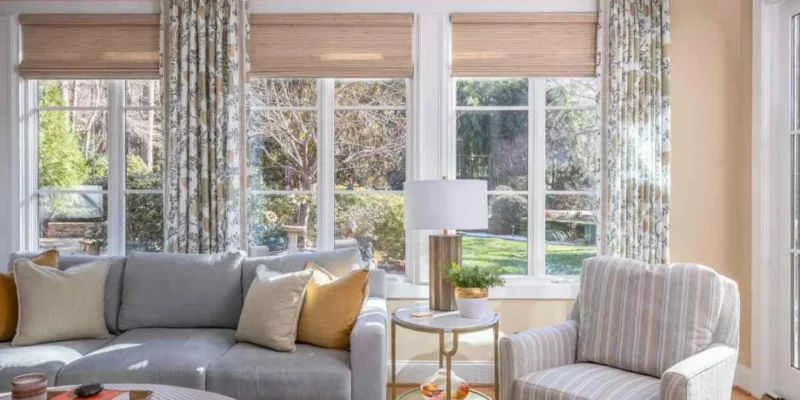
One of the most effective ways to introduce warmth and character into a modern interior is through natural materials. Woven wood shades, crafted from sustainable elements like bamboo, reeds, grasses, and jute, bring an organic layer that softens rigid architectural lines. These shades diffuse harsh sunlight into a soft, ambient glow while casting subtle shadows that add depth to neutral walls.
-
Material Versatility: Natural fibers pair seamlessly with minimalist, bohemian, and transitional design frameworks.
-
Light Diffusion: They filter incoming rays gently, reducing glare without plunging your living areas into complete darkness.
-
Visual Contrast: The rich, earthy variation in wood tones creates a striking contrast against crisp white trim or painted walls.
The Timeless Elegance of Custom Linen Roman Shades
For spaces that require a tailored yet relaxed atmosphere, linen Roman shades offer an unmatched aesthetic balance. Unlike stiff or overly formal window dressings, relaxed or flat Roman shades made from natural linen feature a soft drape that introduces understated luxury. As the fabric folds neatly upward, it creates clean architectural segments that keep windows looking uncluttered.
-
Relaxed Luxury: The inherent slubs and texture of linen add visual interest to understated rooms without overwhelming the decor.
-
Layering Potential: They can act as a standalone statement piece or serve as a foundational layer underneath heavy drapery panels.
-
Color Adaptability: Available in a vast spectrum of warm neutrals, linen shades adapt easily to seasonal decor shifts.
Maximizing Height and Drama with Floor-To-Ceiling Drapery
Hanging drapery incorrectly is a common design pitfall. Mounting curtain rods just above the window frame cuts the room in half visually. To truly elevate your interior design, installation should happen close to the ceiling line, allowing floor-to-ceiling panels to draw the eye upward and create the illusion of expansive vertical space.
-
Proportion Enhancement: High-hung panels make low ceilings feel instantly loftier and more majestic.
-
Fabric Choice: Heavyweight fabrics like velvet, wool blends, or dense cotton add substance and acoustic dampening to large rooms.
-
Hardware Impact: Pairing rich fabrics with matte black or brushed brass hardware introduces a sophisticated high-contrast finish.
Achieving Modern Versatility Through Layered Treatments
Interior design success often relies on versatility, and layering window treatments provides the ultimate control over both mood and utility. Combining a light-filtering shade with operable side panels allows you to shift the atmosphere of a room instantly. You gain daytime privacy and glare reduction without sacrificing outdoor views, alongside nighttime insulation and complete darkness.
-
Functional Synergy: Pair solar roller shades with decorative side drapes for an effortless blend of technology and softness.
-
Dimensional Depth: Layering adds tactile depth, preventing flat or sterile-looking walls.
-
Climate Control: Multiple layers trap air effectively around the glass pane, improving the overall energy efficiency of the home.
Integrating Smart Technology for Clean Aesthetics
Modern interior design prioritizes clean lines and the elimination of visual clutter. Dangling cords and bulky manual mechanisms can disrupt an otherwise pristine room layout. Motorized and smart window treatments integrate seamlessly into automated home systems, offering precise control via wall switches, mobile applications, or voice commands.
-
Cordless Safety: Eliminating pull cords creates a safer environment for children and pets while delivering a sleek, minimalist profile.
-
Architectural Integration: Motorized roller shades can be completely concealed within pockets in the ceiling when retracted.
-
Optimized Efficiency: Program your shades to adjust automatically throughout the day to protect interior textiles from UV fading and regulate indoor temperatures.
Frequently Asked Questions
How do I choose the right color for my window treatments?
Consider your room primary color palette and lighting. If your walls feature bold colors or heavy patterns, choose neutral window treatments to ground the space. If your walls are neutral, use your window coverings to introduce rich earthy tones, subtle prints, or complementary accent colors.
Should window treatments match across the entire house?
While matching every window treatment creates a uniform look from the exterior, interior design permits variation room by room. It is best to maintain consistent hardware finishes or matching styles visible from open-concept common areas, while letting individual bedrooms reflect customized privacy and aesthetic needs.
How can I make small windows look larger?
Extend your curtain rod several inches past the window frame on both sides. This optical illusion tricks the eye into perceiving a wider window, allowing more natural light into the room when the drapes are pulled back.
Are sheer curtains effective for privacy?
Sheer fabrics diffuse bright sunlight and provide daytime privacy by making it difficult for outsiders to see inside. However, once interior lights are turned on at night, sheers lose their privacy barrier, which makes pairing them with a heavier blind or layered shade essential for bedrooms and street-facing rooms.
What is the best way to clean and maintain natural woven shades?
Natural wood and grass shades should be dusted regularly using a feather duster or a vacuum brush attachment on a low-suction setting. Avoid using excess water or chemical cleaners, as moisture can warp natural fibers and ruin the finish.
How do window treatments impact home energy efficiency?
Window coverings act as an insulating barrier against thermal transfer. Cellular honeycomb shades trap air inside their pockets to keep rooms warmer in the winter and cooler in the summer, while heavy layered drapery blocks intense solar heat gain during peak afternoon hours.