 By Alexis Grace
Your yard serves as the natural extension of your living space. When you step outside, the environment should evoke a sense of calm, pride, and relaxation. Unfortunately, many homeowners look at their lawns and see a flat expanse of green grass bordered by overgrown shrubs and random patches of weeds. Transforming an ordinary yard into a breathtaking outdoor retreat does not require a massive budget or an army of professional contractors. Instead, it relies on clever design principles used by top landscape architects to create depth, texture, and visual interest.
Achieving a high-end look is entirely within your grasp once you understand the foundational techniques of spatial design. By shifting your focus from random planting to intentional styling, you can completely redefine your property. Whether you are preparing to sell your home or simply want a more inviting area for weekend relaxation, implementing these five garden landscaping secrets will deliver an instant upgrade to your yard.
1. Play with Layered Planting Heights
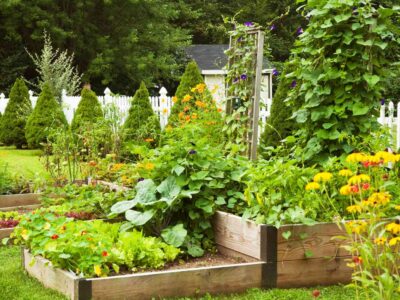
One of the most common mistakes in amateur gardening is planting everything at the same height or lining up identical shrubs in a straight row against a fence. This creates a flat, monotonous visual that lacks depth. Professional landscape designers rely on a layered planting technique to draw the eye through the landscape and create a lush, abundant atmosphere.
To master this secret, divide your garden beds into three distinct tiers:
-
The Background Layer: Tall ornamental grasses, climbing vines on trellises, or small flowering trees form the backdrop. These elements provide privacy, block unsightly views, and establish a vertical boundary for your yard.
-
The Middle Layer: Medium-sized shrubs, perennial flowers, and bushy structural plants make up the bulk of your garden bed. This layer introduces color, seasonal blooms, and contrasting foliage textures.
-
The Foreground Layer: Low-growing ground covers, creeping thyme, or neat stone edging finish the front of the bed. They soften the hard lines where your lawn meets the soil and create a polished, finished frame.
By staggering these heights, you trick the eye into perceiving more space than actually exists. The overlapping foliage catches light and casts subtle shadows, giving your garden a rich, multidimensional appearance.
2. Define Clean Edges for Instant Polish
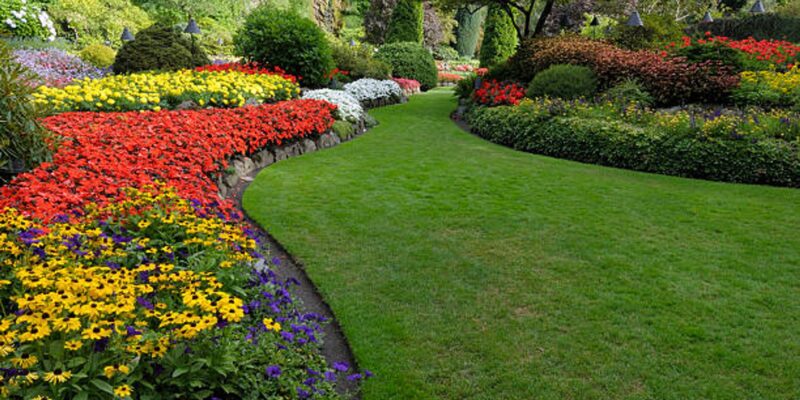
You can spend thousands of years cultivating rare flowers and exotic trees, but if the boundaries between your turf and garden beds are messy, your yard will look neglected. Crisp, well-defined edges act like a tailored frame around a fine painting. They create an immediate sense of order and intentionality that elevates the entire property.
Achieving this look goes beyond a quick pass with a string trimmer. Cutting a sharp, vertical trench—known as a spade edge—along your garden beds prevents grass from creeping into the mulch and establishes a clean physical boundary. For a more permanent solution, sink metal, stone, or heavy-duty composite edging deep into the soil.
When you maintain a crisp two-inch drop between the top of your mulch and the surface of your lawn, shadows naturally form along the border. This simple technique separates the lawn from planted areas with zero ambiguity, making your entire landscape look like it was installed by a luxury design firm yesterday.
3. Introduce Organic Curved Pathways
Straight lines feel formal, rigid, and often make a small yard look even smaller by exposing its exact boundaries at a single glance. Nature rarely deals in strict 90-degree angles, and incorporating organic, sweeping curves into your walkways completely changes how people navigate and experience your outdoor space.
A well-designed pathway does more than keep your shoes clean; it acts as a journey that encourages exploration. When a walkway curves gently behind a cluster of tall ornamental grasses or a decorative boulder, it creates a sense of mystery. Visitors want to see what is waiting around the bend, which instantly makes a modest backyard feel much larger and more complex.
When constructing your pathway, choose materials that complement your home’s architecture. Flagstone, irregular pavers, pea gravel, or weathered brick all introduce natural textures that contrast beautifully with a manicured green lawn. Ensure the path is wide enough for two people to walk comfortably side by side, usually around four feet, to maintain a welcoming and functional design.
4. Master the Art of Mulching for Color and Health
Mulch is the unsung hero of landscape design. While many homeowners treat it as an afterthought, professional designers view dark, rich mulch as a primary tool for creating visual contrast and dramatic impact. A fresh layer of dark brown or black shredded hardwood mulch makes green foliage pop and vibrant flower colors stand out with striking intensity.
Beyond its aesthetic appeal, proper mulching serves critical functional purposes that protect your investment:
-
Moisture Retention: It acts as a blanket over the soil, significantly reducing water evaporation during hot summer months.
-
Weed Suppression: A three-inch layer blocks sunlight from reaching dormant weed seeds, saving you countless hours of weeding.
-
Temperature Regulation: Mulch insulates plant roots against extreme temperature swings, keeping them cool in summer and protected in winter.
-
Soil Nutrition: As organic mulch slowly breaks down over time, it enriches the underlying earth with valuable nutrients.
Avoid the temptation to pile mulch high against the trunks of trees and shrubs—a detrimental practice known as volcano mulching that can rot the bark. Instead, maintain a flat, even blanket across the bed, tapering it down near plant stems to keep your garden healthy and vibrant.
5. Harness Strategic Lighting to Extend Your Enjoyment
The beauty of a well-landscaped yard should not fade the moment the sun goes down. Strategic outdoor lighting transforms your property after dark, turning a pitch-black backyard into a warm, inviting nighttime sanctuary. Good lighting design is not about turning your yard into a parking lot with harsh floodlights; it is about creating drama, highlighting textures, and ensuring safety along pathways.
Layer your nighttime illumination using three distinct techniques:
-
Path Lighting: Low-profile fixtures placed along walkways guide guests safely through the yard while casting a soft glow on low-lying ground covers.
-
Uplighting: Spotlights positioned at the base of architectural trees, textured stone walls, or unique pillars cast upward beams that highlight vertical elements and create striking shadows.
-
Moonlighting: Fixtures installed high up in the branches of mature trees point downward, filtering light through leaves to mimic the natural, soft glow of a full moon shining on the lawn below.
Choosing warm LED bulbs rather than harsh, cool-white options ensures your yard feels cozy and intimate. With the flip of a switch, your outdoor space gains an entirely second personality that you can enjoy late into the evening.
Frequently Asked Questions
How can I make my small backyard look bigger using landscaping?
You can create an illusion of space by avoiding straight lines and heavy borders that reveal the true boundaries of the yard. Instead, use curved pathways that wind out of sight, plant taller shrubs in the corners to draw the eye upward and outward, and use cool-colored flowers like blues and purples in the background to make those areas feel farther away.
What is the most cost-effective way to update a tired garden?
Refreshing the mulch and cutting crisp, deep edges along your flower beds provides the highest visual impact for the lowest financial investment. A fresh coat of dark mulch instantly cleans up the property, eliminates weeds, and makes existing plants look deliberate and cared for.
How often should I replace or top off my garden mulch?
Organic mulches typically break down and decompose over the course of a year. You should inspect your beds every spring and add a fresh one-inch top-off layer to restore the rich color, maintain proper depth, and ensure continued weed suppression and moisture retention.
Can I mix different hardscape materials in the same yard?
Mixing materials can work wonderfully if you maintain a cohesive color palette. For example, pairing natural flagstone walkways with a dark gravel seating area looks intentional if both materials share earthy undertones. Limit your design to two or three main hardscape textures to avoid visual clutter.
What plants work best for low-maintenance landscaping?
Perennials native to your specific hardiness zone require the least amount of intervention because they are naturally adapted to local rainfall patterns and soil conditions. Ornamental grasses, coneflowers, black-eyed Susans, and hardy evergreen shrubs are exceptional choices that return year after year with minimal pruning.
How do I prevent weeds from growing in my gravel pathways?
Before laying down any gravel or decorative stone, install a heavy-duty, professional-grade woven landscape fabric directly onto the leveled soil. This fabric acts as a physical barrier that allows rainwater to drain through while preventing buried weed seeds from germinating and pushing up through your pathway.