 By Alexis Grace
Every residential water system relies on a central control point that can halt the flow of water instantly. Despite its critical function, many property owners remain entirely unaware of where this mechanism is located or how to operate it until an emergency occurs. A burst pipe, a malfunctioning water heater, or a severed supply line can dump hundreds of gallons of water into a home within minutes, causing catastrophic structural damage and fostering hazardous mold growth. Knowing the mechanics, location, and maintenance requirements of your primary water control device is a fundamental responsibility of property ownership that can prevent thousands of dollars in property damage.
Anatomy and Mechanics of a Residential Water Control Device
Understanding how your home water supply operates starts with recognizing the primary valve. This device acts as the ultimate gatekeeper between the municipal water supply or private well and the internal plumbing network of your house. When fully open, it permits unrestricted water pressure to feed your fixtures, appliances, and showers. When closed, it physically blocks the path, stopping all fluid entry.
Most modern residences utilize one of two primary mechanical designs:
-
Gate Valves: Characterized by a traditional round handle or spoked wheel, gate valves operate via a threaded stem that raises or lowers a metal wedge (the gate) into the path of the water. Turning the handle multiple times moves the gate vertically. While common in older construction, gate valves are prone to mineral buildup and can become stuck or fail to achieve a complete seal over time.
-
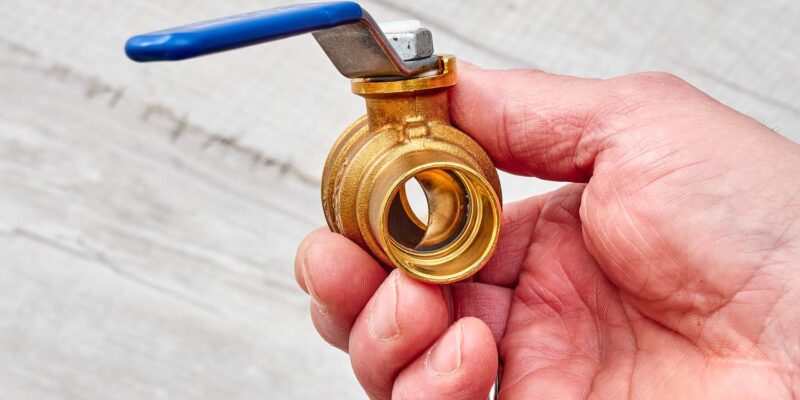
Ball Valves: Recognized by a straight lever handle, ball valves utilize a solid chrome-plated brass sphere with a bored hole through the center. When the handle aligns parallel to the pipe, the hole opens the pathway completely. When turned ninety degrees perpendicular to the pipe, the solid portion of the ball blocks the flow. Ball valves offer superior durability, require only a quarter-turn to operate, and maintain a watertight seal even after years of inactivity.
Locating Your Main Water Control Point
Finding your residential water control point requires a systematic search, as placement varies depending on geographic region, climate, and the age of the structure. Builders position these mechanisms based on regional frost lines and architectural layouts.
Inside the Residence
In colder northern climates where freezing temperatures threaten exterior pipes, the main control point is almost always located indoors. Common interior zones include:
-
The Front Foundation Wall: Trace the path where the main supply line enters the home, which typically aligns with the street-facing side of the property. Check utility rooms, mechanical closets, or unfinished basements along this exterior perimeter.
-
Utility and Laundry Areas: Water heaters, washing machine hookups, and primary utility sinks often sit adjacent to the main water entry point.
-
crawl spaces and Slabs: In homes built on crawl spaces, look near the access hatch or where vertical risers enter the flooring structure.
Outside the Residence
In warmer climates where freezing is rarely a concern, the control mechanism often sits outdoors near the property perimeter or buried underground.
-
Water Meter Boxes: Municipal supplies usually run through a concrete or plastic box embedded in the ground near the front sidewalk or property boundary. Inside this box, alongside the utility meter, sits a utility-side valve and a customer-side valve.
-
Exterior Wall Spigots: Some properties feature an above-ground valve housed inside a protective box flush with the exterior foundation wall, sometimes referred to as a stop-and-waste valve.
Emergency Protocols: When and How to Shut Off the Water
Reacting quickly during a plumbing disaster minimizes collateral damage. Recognizing the warning signs of an impending failure allows you to intervene before structural elements absorb moisture.
Scenarios Demanding Immediate Action
-
Catastrophic Pipe Rupture: A frozen pipe splitting open or a pressurized supply line detaching from a fixture requires instant isolation of the water supply.
-
Major Appliance Malfunction: If a washing machine hose bursts or a water heater tank breaches its structural seam, turning off individual fixture valves may prove insufficient if those local valves are frozen or stripped.
-
Severe Leaks Behind Walls: Unexplained spikes in water bills paired with damp drywall or sound of running water behind partitions mandate cutting off the main supply while you investigate.
Step-by-Step Shutoff Procedure
-
Locate the Handle: Approach the primary control device identified during your pre-emergency inspection. Ensure adequate lighting and clear away any stored items blocking physical access.
-
Turn the Mechanism:
-
If working with a ball valve (lever handle), rotate the handle a quarter-turn (ninety degrees) so it sits completely perpendicular across the direction of the pipe.
-
If working with a gate valve (round wheel), turn the handle clockwise continuously until it stops firmly. Do not over-torque the wheel, as excessive force can snap the internal stem.
-
-
Verify the Flow: Walk to the lowest elevation fixture in the home, such as a basement laundry sink or a ground-floor bathroom faucet, and open both the hot and cold handles. Allow trapped water to drain out. Once the flow ceases entirely, you have confirmed that the main valve has successfully isolated the house.
-
Open High-Elevation Faucets: Open upper-floor taps to let air enter the system, facilitating complete drainage of residual water standing in elevated pipes.
Preventative Maintenance and Best Practices
A neglected plumbing valve can seize up, making it useless during an urgent crisis. Implementing a regular maintenance schedule guarantees functionality when seconds count.
Biannual Exercise Routine
Every six months, cycle your main water control mechanism through its full range of motion. Turn it completely off and back on two or three times. This simple habit prevents mineral scaling, calcium deposits, and sediment accumulation from fusing the internal components together. For ball valves, this clears away minor debris lodged in the ball seal. For gate valves, it keeps the threaded stem lubricated and responsive.
Labeling for Rapid Identification
In multi-occupant households or stress-induced emergencies, confusion can delay action. Attach a brightly colored, weather-resistant physical tag or sign directly to the valve handle. Ensure all adult members of the household know precisely where the valve sits and how to turn it. For complex properties with secondary sub-valves or pressure-reducing regulators, sketch a simple home plumbing map and post it near the utility panel.
Professional Upgrades
If your home relies on an aging, corroded gate valve that feels stiff or leaks slightly around the packing nut, schedule a licensed plumber to replace it with a modern full-port brass ball valve. Ball valves provide a reliable quarter-turn shutoff mechanism that withstands decades of operational reliability without degrading. Attempting to replace a main valve yourself often requires shutting off the municipal corporation curb stop, which frequently mandates specialized utility keys and legal authorization.
Frequently Asked Questions
What is the difference between a main shutoff valve and a fixture shutoff valve?
A main shutoff valve controls the entire volume of water entering the home, cutting supply to every room simultaneously. Fixture shutoff valves, also known as stop valves, are localized controls installed underneath individual sinks, behind toilets, or adjacent to appliances like refrigerators and washing machines. They allow you to service a single leaking faucet or toilet without disrupting water service to the rest of the residence.
Can I shut off my water supply from the street by myself?
Most municipalities prohibit homeowners from operating the curb stop valve located inside the public utility meter box, as these mechanisms belong to the city or water district and require specialized pentagon socket wrenches. Unauthorized manipulation of municipal equipment can result in substantial fines. However, many properties feature a secondary homeowner-owned shutoff valve located just a few feet past the meter box on the private property side.
Why does my water sputter and spray air after I turn the main valve back on?
Air inevitably enters your plumbing lines while the water supply is cut off and the system drains down. When you reopen the main valve, incoming water forces this trapped air out through your faucets. To clear the air pockets safely, open several cold water taps slowly and let them run uninterrupted for one to two minutes until the stream flows smoothly and steadily without sputtering.
How often should a residential main water valve be replaced?
High-quality brass ball valves can last for the entire lifespan of a home, often exceeding thirty to forty years, provided they are exercised regularly. Older gate valves, however, are prone to stem failure and rubber seal degradation and typically require inspection or replacement every ten to fifteen years, especially in areas with hard water mineral content.
What should I do if my main valve is completely seized and will not turn?
Never force a stuck gate valve with wrenches, extension pipes, or excessive leverage, as snapping the internal brass stem will turn a minor maintenance issue into a catastrophic emergency. Apply a penetrating spray lubricant designed for metal fixtures around the packing nut and threads, wait thirty minutes, and gently tap the body with a rubber mallet to break mineral bonds. If it refuses to budge, turn off the water at the street meter (if permitted) or call a licensed plumber to replace the compromised assembly.
Will turning off the main water valve drain the water heater tank?
No, closing your main supply valve traps the water currently inside your water heater tank, provided you do not open any hot water taps that allow air to siphon the liquid out. To protect the heating elements or gas burner, keep the water heater powered on only if you are certain the tank remains completely full of water. If you plan to drain the plumbing system entirely for winterization or major repairs, you must shut down the water heater power source before emptying the system.
Does a pressure-reducing valve act as a main shutoff valve?
A pressure-reducing valve (PRV) regulates and lowers high municipal water pressure to a safe level for household appliances, but it is not designed to serve as a reliable shutoff mechanism. While many PRVs feature an integrated isolation bolt or lever, relying on them as a primary emergency shutoff can damage internal diaphragms and lead to premature failure of the pressure regulation assembly. Always use the dedicated main ball or gate valve for emergency isolation.