
 By Alexis Grace
Introduction: The Unseen Lifeline
Few elements of a home are as crucial yet overlooked as its plumbing. It exists behind walls, beneath floors, and out of sight—quietly delivering fresh water, whisking away waste, and ensuring that our daily rituals of cleanliness, cooking, and comfort unfold without a second thought. Though we rarely pause to consider its workings, plumbing is a feat of engineering that has revolutionised public health, advanced urban living, and elevated our standard of life in ways that we too often take for granted.
A Brief Journey Through Plumbing’s History
Plumbing is hardly a modern concept. As early as 4000 BCE, the Indus Valley Civilization constructed complex drainage systems and wells. The Romans famously engineered aqueducts and lead piping to transport water to their sprawling cities and bathhouses. After the decline of the Roman Empire, much of this knowledge was lost to Europe, leading to centuries of unsanitary living conditions until the modern age revived and refined ancient wisdom.
Today, plumbing has advanced far beyond clay pipes and rudimentary drainage. It embodies precision, regulation, and innovation, all designed to ensure that clean water flows in—and waste flows out—safely, reliably, and efficiently.
The Fundamentals: What Plumbing Really Does
At its core, plumbing revolves around two simple goals: supply and removal. Yet within these goals lie layers of planning, execution, and maintenance that demand expertise and diligence.
-
Water Supply: Bringing potable water to taps, showers, appliances, and outdoor spigots.
-
Drainage: Removing wastewater and sewage from sinks, baths, toilets, and appliances.
-
Ventilation: Preventing harmful sewer gases from entering living spaces through traps and vent pipes.
-
Heating: Facilitating hot water systems for bathing, cooking, and heating.
Each of these systems works together in a delicate balance. A single failure can lead to costly repairs, health hazards, or structural damage.
Modern Materials: From Copper to PEX
The materials used in plumbing have evolved dramatically over the past century. For decades, copper reigned supreme due to its durability and resistance to corrosion. Even now, many plumbers trust copper piping for its proven track record.
However, the rise of PEX (cross-linked polyethylene) piping has transformed the industry. Flexible, easy to install, and resistant to both freezing and scaling, PEX has become a favourite for new builds and renovations alike. PVC (polyvinyl chloride) and CPVC (chlorinated polyvinyl chloride) are also common, particularly for drain and waste lines.
Each material carries unique advantages:
-
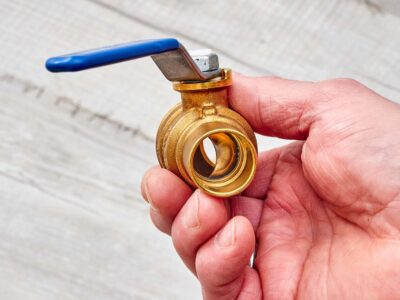
Copper: Long-lasting, heat-resistant, and bacteriostatic, but more expensive.
-
PEX: Cost-effective, flexible, and easy to retrofit into existing structures.
-
PVC/CPVC: Lightweight, easy to cut and join, corrosion-resistant, and ideal for drain lines.
The Role of the Professional Plumber
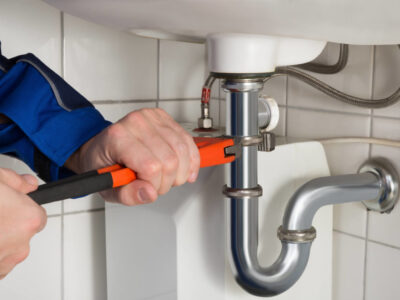
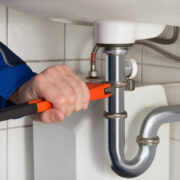
Good plumbing is rarely a DIY affair. Behind every reliable system lies the expertise of a trained plumber who understands local codes, pressure requirements, and best practices for installation and maintenance.
A professional plumber wears many hats:
-
Designer: Mapping out efficient, code-compliant layouts for pipes and fixtures.
-
Installer: Joining, sealing, and testing lines with precision.
-
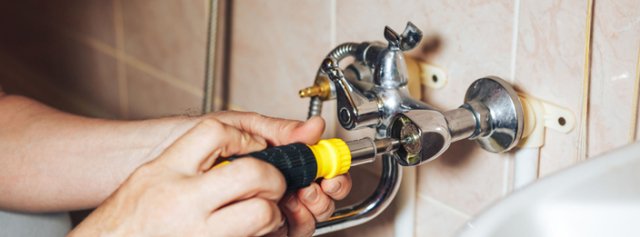
Troubleshooter: Diagnosing issues like leaks, clogs, or water hammering.
-
Maintainer: Replacing worn parts, inspecting aging systems, and preventing potential disasters.
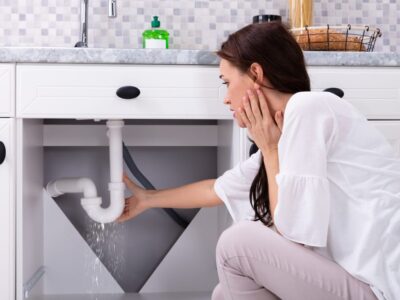
Attempting to tackle complex plumbing problems without training often leads to costly mistakes—small leaks can cause hidden rot, mould growth, and structural compromise over time.
Plumbing Innovations: Smarter, Greener Solutions
Just as every industry has embraced technology, plumbing too has welcomed innovations aimed at efficiency and sustainability.
-
Low-Flow Fixtures: Modern taps, toilets, and showerheads dramatically reduce water usage without sacrificing performance.
-
Tankless Water Heaters: These units provide hot water on demand, eliminating the need for bulky tanks and saving energy.
-
Smart Leak Detectors: New devices monitor water flow and detect leaks in real time, sending alerts to homeowners before minor drips become major floods.
-
Greywater Systems: Some advanced homes recycle lightly used water from sinks and showers for irrigation or toilet flushing.
These improvements not only cut costs but also help address global water scarcity concerns. A well-designed plumbing system today is as much about conservation as it is about convenience.
Common Plumbing Pitfalls: Prevention is Cheaper Than Cure
Many plumbing disasters start with simple neglect. Dripping taps, slow drains, and minor leaks are often ignored until they escalate. Homeowners can save considerable money and stress by adopting basic maintenance habits.
-
Regular Inspections: Have a professional check pipes, joints, and seals periodically.
-
Avoid Harsh Chemicals: Chemical drain cleaners can corrode pipes over time—opt for mechanical or enzymatic solutions.
-
Winter Precautions: Insulate exposed pipes to prevent freezing and bursting in cold climates.
-
Proper Disposal: Never pour grease down the drain; it solidifies and causes blockages.
A little vigilance goes a long way in keeping a plumbing system healthy for decades.
Plumbing and Public Health: An Unsung Hero
It is impossible to overstate how vital modern plumbing is to public health. Reliable wastewater removal and access to clean water have eradicated countless diseases that once plagued densely populated cities. Cholera, typhoid, and other waterborne illnesses have been virtually eliminated in developed nations thanks to robust plumbing systems and sanitation practices.
The Future: Towards a Water-Wise World
The plumbing industry faces an exciting yet demanding future. Population growth, climate change, and urbanisation are putting unprecedented strain on water resources. Smart water management, efficient design, and innovative reuse strategies will be vital in meeting these challenges.
Emerging trends point to:
-
Integrated Smart Homes: Plumbing systems that communicate with other household technologies to optimise usage.
-
Water Harvesting: Systems that collect and filter rainwater for non-potable uses.
-
Next-Gen Materials: New pipe materials that resist corrosion, contamination, and scaling even better than today’s best options.
Conclusion: Respect the Flow
Plumbing is one of the cornerstones of civilised life—a hidden network that allows us to cook, clean, bathe, and live in comfort and health. It is an intricate dance of engineering, craftsmanship, and foresight. Though we seldom see it, we depend on it every day.
A home’s beauty may lie in its design, but its true strength often runs through its pipes. Treat it with care, invest in quality workmanship, and appreciate the quiet marvel that keeps life flowing smoothly from tap to drain, day after day.