Plumbing

The Intricate World of Plumbing: A Vital System Beneath Our Feet

Plumbing is often an overlooked marvel—a silent infrastructure working tirelessly beneath the surface to deliver clean water and remove waste. Though its presence is largely invisible, the impact of effective plumbing on modern life is profound and far-reaching. This article explores the essential nature of plumbing, its history, the components that make it function, common challenges, and the evolving technologies shaping its future.

The Essence of Plumbing: More Than Pipes and Fixtures

At its heart, plumbing is the system that facilitates the safe and efficient transport of water into buildings and the removal of wastewater. It encompasses everything from the pipes hidden in walls and floors to the faucets and fixtures we use daily. This intricate network supports hygiene, health, and comfort, making it indispensable in both residential and commercial settings.

Plumbing is far more than a utilitarian function; it is a cornerstone of public health and urban development. Without a reliable plumbing system, communities would struggle with sanitation, disease control, and basic daily routines.

A Brief Historical Perspective

The concept of plumbing dates back thousands of years. Ancient civilizations, such as those in Mesopotamia, Egypt, and the Indus Valley, developed early systems for managing water through clay pipes, aqueducts, and drainage channels. The Romans further advanced plumbing with extensive aqueducts and sophisticated sewer systems, some of which remain functional today.

Modern plumbing evolved through innovations in materials and technology—from lead pipes in medieval times to the advent of copper, PVC, and PEX piping in the 20th century. Each leap forward improved durability, safety, and efficiency.

Core Components of Plumbing Systems

Understanding plumbing requires familiarity with its fundamental parts:

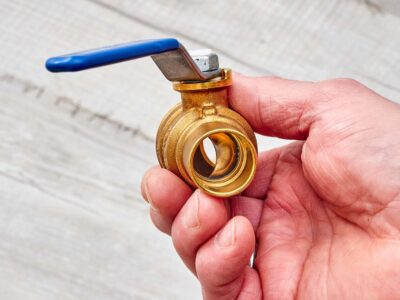
  • Water Supply System: This network delivers potable water into a building, typically sourced from municipal supply lines or private wells. It includes pipes, valves, pressure regulators, and meters.

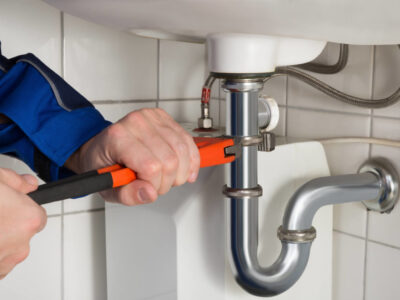
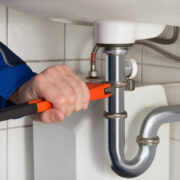
  • Drainage and Waste Disposal: After use, water and waste exit the building through a system of drain pipes, traps, vents, and sewer connections. This network prevents harmful gases from entering living spaces and ensures waste flows efficiently away.

  • Fixtures and Appliances: Faucets, toilets, showers, water heaters, and appliances like dishwashers and washing machines are connected to the plumbing system, controlling water use and distribution.

  • Ventilation System: Plumbing vents allow air to enter the drainage system, preventing vacuums that could hinder proper waste flow and trap water in fixtures.

Common Plumbing Challenges and How to Address Them

Despite its critical role, plumbing systems frequently encounter issues that can disrupt daily life and damage property. Awareness and proactive maintenance are key to preventing costly repairs.

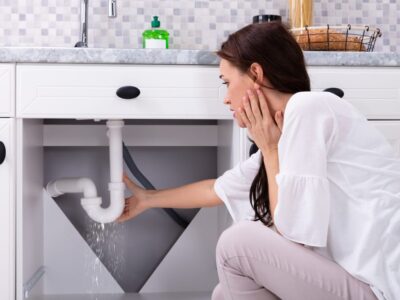
  • Leaks and Drips: One of the most common plumbing problems, leaks can waste water and cause structural damage. They often arise from worn seals, corrosion, or loose fittings. Regular inspection and prompt repairs help minimize impact.

  • Clogged Drains: Blockages from hair, grease, or foreign objects slow drainage and can lead to backups. Preventative measures include using strainers, avoiding disposal of inappropriate materials, and routine drain cleaning.

  • Low Water Pressure: Causes range from mineral buildup and pipe corrosion to leaks and municipal supply issues. Identifying the source is essential for effective remedies.

  • Water Heater Failures: Inconsistent hot water or leaks indicate potential problems with the heating element, thermostat, or tank integrity. Regular servicing extends lifespan.

  • Frozen Pipes: In colder climates, pipes may freeze and burst, leading to significant damage. Insulating pipes and maintaining adequate heating help prevent this hazard.

Innovations and Trends in Modern Plumbing

The plumbing industry continually evolves, embracing new materials, technologies, and practices to enhance performance, sustainability, and user experience.

Sustainable Plumbing Solutions

Water conservation has become a paramount concern. Innovations such as low-flow faucets and toilets, greywater recycling systems, and rainwater harvesting promote efficient water use without sacrificing comfort.

Smart Plumbing Technologies

The integration of smart technology enables real-time monitoring of water usage, leak detection, and remote control of fixtures. These systems alert homeowners to potential issues before they escalate, saving water and preventing damage.

Advanced Materials

Traditional metals are increasingly complemented or replaced by durable plastics like PEX, which offer flexibility, resistance to corrosion, and easier installation. These materials contribute to longer-lasting, more adaptable systems.

The Importance of Professional Expertise

Plumbing work is highly specialized, requiring technical knowledge and compliance with codes and safety standards. While minor tasks like replacing faucet washers may be suitable for DIY enthusiasts, more complex repairs or installations demand licensed professionals.

Qualified plumbers ensure that:

  • Systems meet local regulations and building codes

  • Materials and methods are appropriate for the specific application

  • Installations maintain water quality and system integrity

  • Safety risks, such as cross-contamination or gas leaks, are mitigated

Investing in expert services not only guarantees quality workmanship but also protects the health and safety of occupants.

Maintaining Your Plumbing: Best Practices

To safeguard the longevity and functionality of plumbing systems, consider these practical tips:

  • Schedule regular inspections to identify early signs of wear or damage

  • Avoid flushing non-degradable items or pouring grease down drains

  • Insulate pipes in colder areas to prevent freezing

  • Test and maintain water heaters annually

  • Use strainers and screens to catch debris before it enters drains

Proactive care reduces the likelihood of emergencies and extends the life of plumbing components.

Plumbing’s Broader Impact on Society

Beyond individual households, plumbing underpins public health and environmental stewardship. Effective sewage treatment prevents the spread of diseases, while water conservation technologies address global challenges related to resource scarcity.

Plumbing infrastructure also plays a crucial role in economic development, supporting industries, healthcare facilities, and educational institutions. Its reliability directly influences quality of life and community resilience.

Conclusion: Plumbing as an Unsung Hero

Though often taken for granted, plumbing is a marvel of engineering and an essential pillar of modern civilization. Its complex networks quietly sustain health, comfort, and productivity every day. As we continue to innovate and prioritize sustainability, the future of plumbing promises even greater efficiency and resilience.

Understanding and appreciating this vital system encourages responsible use and care, ensuring that plumbing continues to serve generations to come with unwavering reliability and grace.

What is your reaction?

Excited
0
Happy
0
In Love
0
Not Sure
0
Silly
0

You may also like

More in:Plumbing