Roofing

Raising the Roof: A Sophisticated Guide to Modern Roofing Solutions

Introduction: The Roof as a Silent Guardian

Roofs are often overlooked in everyday conversation, yet they are indispensable. They stand as silent guardians against wind, rain, sun, and snow, ensuring that our homes remain havens of warmth, safety, and beauty. Over centuries, roofing has evolved from rudimentary coverings to complex, multi-functional systems that blend architecture, sustainability, and technology. In a world increasingly conscious of aesthetics and environmental responsibility, the modern roof plays a pivotal role in how a building performs and how it is perceived.

The Roots of Roofing: A Historical Glimpse

Human ingenuity in roofing stretches back thousands of years. Early humans used whatever was at hand—thatch, bark, or animal hides—to fashion rudimentary shelters. Ancient Egyptians advanced the craft with mud and reeds, while Romans perfected the use of clay tiles. Each era’s roofs reflected both the local climate and the civilization’s mastery over materials. Today, roofing stands at the intersection of age-old craftsmanship and cutting-edge innovation.

The Essential Purpose of a Roof

While design trends have come and gone, the fundamental objectives of a roof remain unchanged:

  • Protection: The foremost duty of a roof is to shield a structure from the ravages of weather. From torrential rains to scorching heat and snow-laden winters, a well-constructed roof endures.

  • Insulation: Beyond mere shelter, roofs contribute significantly to a building’s thermal efficiency, keeping interiors warm in winter and cool in summer.

  • Structural Integrity: A roof ties a structure together, providing stability and strength to the building beneath.

  • Aesthetic Contribution: Far from being just functional, roofs lend character to architecture, defining silhouettes and harmonizing with the landscape.

Roofing Materials: Tradition Meets Innovation

Selecting the right material is perhaps the most consequential decision when it comes to roofing. Each option carries unique properties that influence durability, maintenance, cost, and visual appeal.

Asphalt Shingles: The Ubiquitous Choice

For good reason, asphalt shingles are the go-to material for countless homeowners. They strike a balance between affordability, ease of installation, and versatility in design. Available in an array of colors and textures, they can mimic wood shakes or slate, offering aesthetic flexibility without breaking the bank.

Metal Roofs: The Modern Classic

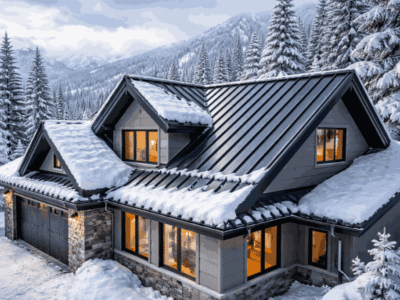
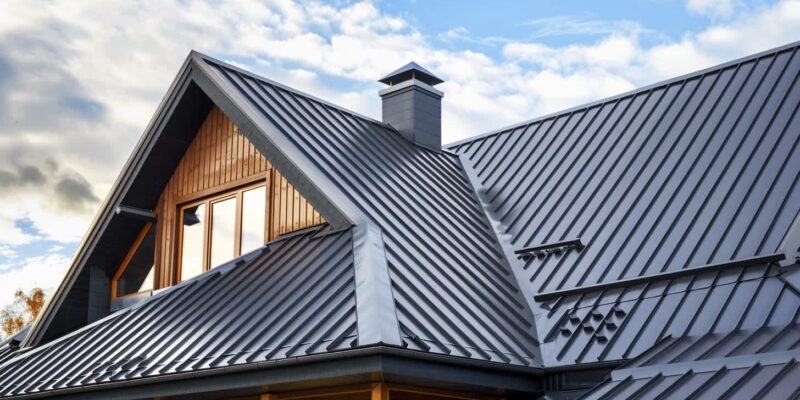
Metal roofs have transformed dramatically from the corrugated panels once relegated to barns and sheds. Today’s metal roofing—crafted from steel, aluminum, or copper—boasts impressive longevity, weather resistance, and a sleek, modern aesthetic. With proper installation, a metal roof can last upwards of 50 years, making it a worthwhile long-term investment.

Clay and Concrete Tiles: Mediterranean Flair

Favored for their timeless elegance and remarkable endurance, clay and concrete tiles are staples in warmer climates. These heavyweights of the roofing world can shrug off intense heat and withstand high winds, but their weight demands robust structural support. Their distinctive curves and earthy hues evoke a sense of European charm that never goes out of style.

Slate: Luxury That Lasts

A natural slate roof is an architectural statement. Renowned for its extraordinary lifespan—often a century or more—slate is both fire-resistant and impervious to rot and insects. Its subtle variations in tone and texture lend any structure an air of stately sophistication. The catch? It’s heavy, expensive, and requires master craftsmen for proper installation.

Green Roofs: Living Architecture

Green roofs are more than a novelty; they are a practical solution for urban environments starved of greenery. By covering flat or gently sloped roofs with soil and vegetation, these living systems provide natural insulation, reduce stormwater runoff, and create vital habitat for pollinators. Although installation and maintenance can be intensive, their environmental payoff is undeniable.

Solar Roofs: Harnessing the Sun

Innovative homeowners increasingly opt for solar-integrated roofs, which marry sleek design with renewable energy production. Unlike traditional rooftop solar panels, solar shingles or tiles blend almost invisibly into the roofline. While the upfront cost remains steep, incentives and long-term energy savings are tipping the scales in their favor.

Factors to Weigh When Choosing a Roof

Choosing the perfect roof is an exercise in balancing practical needs, aesthetic goals, and budget constraints. Key considerations include:

  • Climate: Local weather dictates material suitability. A region prone to heavy snow demands a roof with a steep pitch and high load-bearing capacity, while areas with scorching sun call for reflective or heat-resistant materials.

  • Architectural Style: A roof should harmonize with the building’s design language. A sleek metal roof may clash with a rustic cottage that begs for wooden shakes or slate.

  • Cost vs. Longevity: A lower initial cost can mean more frequent replacements down the road. Investing in premium materials can pay dividends over decades.

  • Maintenance Demands: Some roofs require minimal upkeep, while others—like wood shakes—demand periodic treatments to prevent rot or insect infestation.

  • Environmental Impact: Eco-minded homeowners might prioritize recycled materials, green roofing, or solar solutions to shrink their carbon footprint.

Craftsmanship: The Human Element

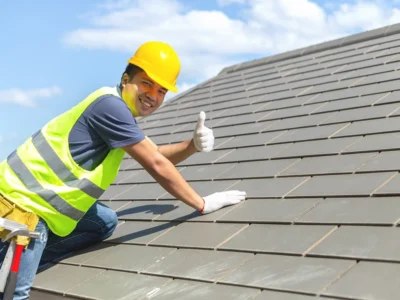
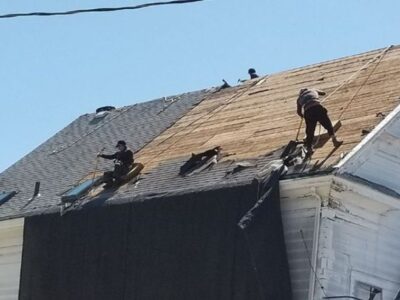
Even the finest materials fall short if installation is subpar. Roofing is a precise craft that demands skill, experience, and a keen eye for detail. Proper installation of underlayment, flashing, ventilation, and drainage systems is vital to prevent leaks and extend the roof’s life. It is wise to choose a roofing contractor with a solid reputation and verifiable credentials—peace of mind is worth every penny.

The Future of Roofing: Smart and Sustainable

As sustainability moves to the forefront of design, roofing is poised for a technological renaissance. Cool roofs coated with reflective materials help cities combat heat islands. Smart roofs embedded with sensors can detect leaks, monitor energy performance, and communicate with home automation systems. The marriage of technology and sustainability promises roofs that do far more than keep us dry—they actively contribute to a healthier, more resilient world.

Conclusion: A Shelter Worth Celebrating

Roofs are more than covers—they are protectors, insulators, and design statements that stand the test of time. Choosing the right roof means respecting its silent strength and recognizing its vital contribution to comfort, efficiency, and beauty. As materials and methods evolve, one truth remains: the best roofs are those built with care, insight, and a touch of artistry.

When you next stand before a house, cast your gaze upward. The roof above is more than shelter—it is a testament to our enduring quest for security, elegance, and harmony with the elements.

What is your reaction?

Excited
0
Happy
0
In Love
0
Not Sure
0
Silly
0

You may also like

More in:Roofing