
 By Alexis Grace
Introduction: More Than Just a Cover
When we think of a home, we often picture the walls, windows, and doors—yet it is the roof that truly transforms a mere structure into a sanctuary. Roofing is more than a utilitarian necessity; it is an intersection of engineering, design, and environmental stewardship. In today’s world, a well-designed roof does far more than keep the rain out. It protects, insulates, defines the architectural character of a building, and can even contribute to a greener planet.
The Evolution of Roofing: From Thatch to Technology
Roofing has come a long way from the primitive thatched covers of ancient dwellings. Civilizations throughout history have innovated with local materials—clay tiles in China, slate in Europe, and cedar shakes in North America. Each material reflected regional climates, available resources, and cultural preferences. Fast forward to the present, and modern roofing is a diverse field marked by technological advancements and design ingenuity.
Today, homeowners and builders can choose from an array of materials—metal, asphalt shingles, concrete tiles, green roofs, and even solar-integrated panels. These options are not only functional but often aesthetically striking, enhancing curb appeal and increasing property value.
What Makes a Roof Truly Effective?
An effective roof is the result of carefully balanced elements:
-
Weather Resistance: The primary role of any roof is to provide a robust barrier against the elements. This means withstanding heavy rainfall, intense sun, snow loads, and high winds.
-
Insulation and Energy Efficiency: Modern roofs play a crucial part in regulating a home’s internal climate, lowering heating and cooling costs through proper insulation and reflective surfaces.
-
Durability: Longevity is vital. A roof that deteriorates quickly can lead to costly repairs and structural damage.
-
Aesthetic Harmony: A roof should complement the design of the building it shelters. The pitch, color, and material must align with the architectural vision.
Popular Roofing Materials: A Closer Look
Asphalt Shingles
Still the most common choice in North America, asphalt shingles are affordable, versatile, and relatively easy to install. They come in a wide variety of colors and styles, making them suitable for countless home designs. Their lifespan typically ranges from 15 to 30 years, depending on quality and climate.
Metal Roofing
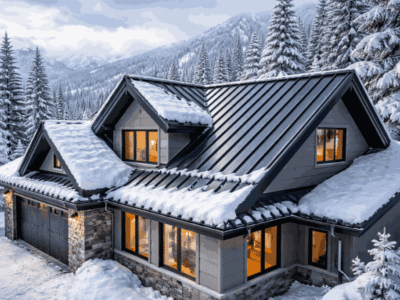
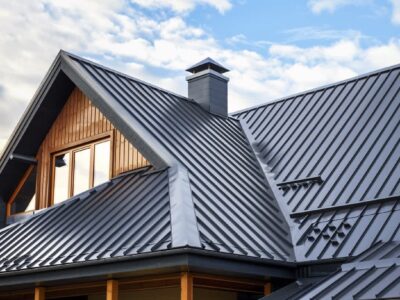
Once confined to barns and industrial buildings, metal roofing has seen a dramatic rise in popularity among homeowners. Its sleek look, exceptional durability (lasting 40-70 years), and high reflectivity make it both practical and stylish. Modern metal roofs are available in steel, aluminum, copper, and zinc, each with its own distinct character.
Clay and Concrete Tiles
Favored in warmer climates, clay and concrete tiles are renowned for their longevity—often enduring for a century or more. Their heavy weight requires reinforced roof structures, but the payoff is timeless elegance and outstanding resistance to heat and fire.
Slate Roofing
Perhaps the pinnacle of classic roofing, natural slate offers unmatched beauty and durability. It is one of the longest-lasting materials, with some historic slate roofs standing strong for over 150 years. However, its premium cost and installation complexity often limit its use to upscale or historic homes.
Green Roofs
A compelling option for urban buildings, green roofs transform flat or gently sloped surfaces into living ecosystems. Layers of soil and vegetation provide natural insulation, manage stormwater, and add biodiversity to otherwise barren cityscapes. While upfront costs and maintenance are significant, the environmental benefits are compelling.
Solar Roofs
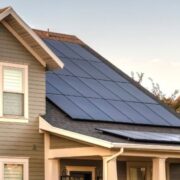
Integrating solar panels into roofing systems is a fast-growing trend. Solar shingles or photovoltaic tiles blend seamlessly with traditional roofing materials while generating clean electricity. Although the initial investment remains high, tax incentives and long-term energy savings make this option increasingly attractive.
Key Considerations Before Choosing a Roof
Selecting the right roof is more nuanced than picking a color or style. It requires thoughtful consideration of multiple factors:
-
Climate: Heavy snowfall demands steep pitches and sturdy materials, while high UV exposure might call for reflective or UV-resistant options.
-
Budget: Some materials carry higher upfront costs but pay off through longevity and energy savings.
-
Maintenance Requirements: Some roofs demand periodic cleaning, sealing, or replacement of individual tiles or shingles.
-
Building Codes and HOA Rules: Local regulations may dictate what types of roofs are allowed in certain neighborhoods or historic districts.
-
Sustainability Goals: Eco-conscious homeowners may prioritize recycled materials, green roofs, or solar integration.
The Craftsmanship Behind Roofing
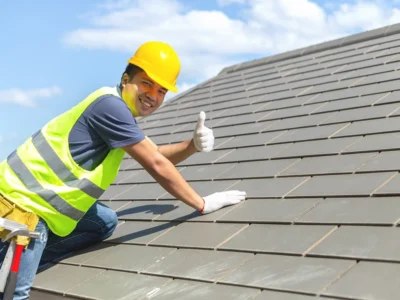
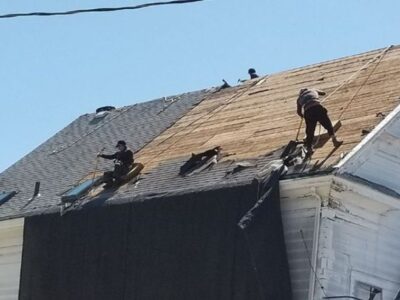
Beyond materials and engineering, roofing remains an art that demands skilled hands. A well-installed roof is the mark of expert craftsmanship. Proper underlayment, flashing, ventilation, and gutter systems are as crucial as the visible shingles or tiles. A single installation error can lead to leaks, mold, or structural compromise down the line.
That is why choosing a reputable, experienced roofer is as important as selecting the right materials. Good contractors not only ensure flawless installation but can also offer valuable insights into design choices and maintenance practices.
Roofing for the Future
As the world pivots toward sustainability, roofing will play an increasingly important role. Innovations like cool roofs, which reflect sunlight and reduce urban heat islands, or smart roofs that monitor temperature and leaks in real time, are transforming how we think about the humble cover over our heads.
Homeowners are no longer content with roofs that simply endure; they want roofs that perform, conserve energy, and complement eco-friendly living. The rise of net-zero homes and resilient design further cements roofing as a cornerstone of sustainable architecture.
Conclusion: Shelter Elevated
At its essence, roofing is an ancient craft continually renewed by fresh ideas and modern demands. It shields our homes, shapes skylines, and now even generates clean power. Choosing and maintaining a roof is one of the most significant investments any homeowner can make—an investment not just in shelter, but in comfort, beauty, and the future of our built environment.
So the next time you admire a house, pause for a moment and look up. You may just discover that the roof above tells a story of innovation, heritage, and our enduring desire to find sanctuary under the sky.