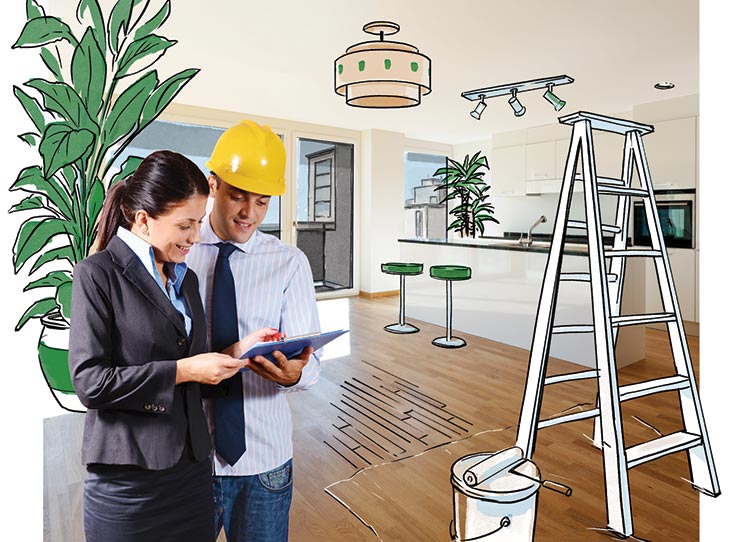
Remodeling

Revitalizing Spaces: The Art and Science of Remodeling

Remodeling transcends mere renovation; it is a thoughtful transformation that breathes new life into existing spaces. Whether undertaken to enhance aesthetics, improve functionality, or increase property value, remodeling is a nuanced endeavor that demands both creativity and strategic planning. This article explores the multifaceted world of remodeling, offering insights into why it matters, how to approach it thoughtfully, and what elements contribute to a successful project.

Understanding Remodeling: More Than Just Change

At its core, remodeling involves altering a space to better serve the needs and tastes of its occupants. Unlike simple repairs or cosmetic updates, remodeling often entails reimagining the layout, upgrading systems, or introducing new design elements that dramatically shift a space’s character and utility.

Remodeling can take many forms—from a kitchen overhaul that modernizes appliances and cabinetry, to a full home renovation that reconfigures room layouts and updates infrastructure. The key distinction is the intent to improve and personalize the space beyond its original condition.

The Driving Forces Behind Remodeling

Why do homeowners and businesses commit to remodeling projects? The motivations are as varied as the designs themselves, but some common drivers include:

  • Functionality Enhancements: Outdated layouts often fail to meet contemporary lifestyle needs. Remodeling can open up cramped kitchens, add storage, or create multi-use spaces that maximize usability.

  • Aesthetic Appeal: Trends in design evolve continually. Remodeling allows owners to align their environment with their style preferences, whether that means embracing minimalist modernism or a warm, rustic charm.

  • Energy Efficiency: Many remodels incorporate green building practices, such as improved insulation, energy-efficient windows, and sustainable materials, reducing environmental impact and utility costs.

  • Property Value: Strategic remodeling can significantly boost market value, making it a savvy investment for those considering resale.

  • Adaptation: Life changes—growing families, aging in place, or home offices—often necessitate remodeling to accommodate new circumstances.

Planning a Remodeling Project: The Foundation of Success

The adage “failing to plan is planning to fail” rings especially true in remodeling. A well-executed remodel hinges on a solid plan that addresses every aspect, from design inspiration to budget constraints.

Setting Clear Objectives

Before a hammer hits the wall, it is crucial to define what the remodeling project hopes to achieve. Consider the following:

  • What problems or limitations does the current space present?

  • Which features are non-negotiable, and where is there room for flexibility?

  • What is the intended timeline and budget?

Answering these questions ensures the project remains focused and realistic.

Collaborating with Professionals

While DIY efforts can be rewarding, remodeling often requires specialized skills. Architects, interior designers, contractors, and engineers bring expertise that can prevent costly mistakes and enhance the final outcome.

Open communication with professionals can uncover innovative solutions, optimize materials and design, and streamline the construction process.

Budgeting Wisely

Remodeling budgets must account not only for visible upgrades but also for unexpected expenses, such as hidden structural repairs or permit fees. It is prudent to allocate a contingency reserve, typically 10-20% of the total budget, to accommodate surprises.

Navigating Permits and Regulations

Compliance with local building codes and securing necessary permits is critical. Ignoring these legal requirements can result in delays, fines, or even the need to undo completed work.

Key Elements of Successful Remodeling

A remodel’s success depends on the seamless integration of several components:

Thoughtful Design

A compelling design marries form and function. Prioritizing natural light, flow between rooms, and storage solutions creates a space that is both beautiful and livable.

Quality Materials

Investing in durable, high-quality materials pays dividends in longevity and maintenance ease. Whether it’s hardwood flooring, quartz countertops, or energy-efficient windows, materials should align with the project’s goals and budget.

Skilled Craftsmanship

The best designs falter without expert execution. Employing skilled craftsmen ensures that finishes, joinery, and installations meet the highest standards.

Sustainable Practices

Incorporating sustainable materials and energy-saving technologies not only benefits the environment but often qualifies for tax incentives or rebates.

Common Remodeling Challenges and How to Overcome Them

Remodeling is rarely without obstacles, but awareness and preparation can mitigate many issues:

  • Unforeseen Structural Issues: Older buildings often conceal problems behind walls or under floors. Early inspection by professionals can help anticipate these challenges.

  • Budget Overruns: Maintaining a detailed budget and tracking expenses regularly prevents overspending. Flexibility and prioritization are key when adjustments are necessary.

  • Timeline Delays: Weather, material shortages, or labor availability can disrupt schedules. Clear contracts and contingency plans help manage expectations.

  • Decision Fatigue: The myriad of choices—colors, fixtures, layouts—can overwhelm. Prioritizing key decisions early and consulting trusted professionals can simplify the process.

The Lasting Impact of Remodeling

When executed thoughtfully, remodeling transcends immediate visual improvement. It enhances the quality of life for occupants by creating spaces that feel inspiring, comfortable, and efficient. Moreover, remodeling preserves the unique character of a home or building, marrying historical charm with modern conveniences.

Beyond the practical benefits, remodeling embodies a form of personal expression. It tells a story—about who inhabits the space, what they value, and how they envision their daily lives. It is a creative act as much as it is a technical one.

Conclusion: Embracing Transformation

Remodeling invites us to reimagine our environments and embrace change with intention. It requires patience, insight, and collaboration but rewards us with renewed spaces that elevate everyday experiences.

Whether tackling a single room or an entire property, approaching remodeling with a clear vision and respect for the process leads to outcomes that are as timeless as they are transformative. In a world that is ever-changing, remodeling remains a powerful way to root ourselves in spaces that reflect who we are—and who we aspire to be.

What is your reaction?

Excited
0
Happy
0
In Love
0
Not Sure
0
Silly
0

You may also like

More in:Remodeling