Pest Control

Defending Your Domain: The Modern Art of Effective Pest Control

Introduction: An Unseen Battle in Every Home

Few things can disrupt the peace of a home like the stealthy arrival of unwanted pests. From the silent scurry of rodents in the attic to the telltale trail of ants in the pantry, pests intrude upon our spaces, bringing discomfort, damage, and potential health hazards. Yet pest control is not merely about extermination; it is a delicate balance of prevention, management, and respect for the surrounding ecosystem. Done well, it transforms our homes back into sanctuaries—safe, clean, and uncompromised.

The Age-Old Struggle: A Brief History of Pest Control

Humans have waged war against pests since the dawn of settled life. Ancient civilizations devised rudimentary traps and natural repellents to protect food stores and living quarters. The Egyptians used cats to control rodents. Farmers in medieval Europe planted aromatic herbs to ward off insects. By the 20th century, chemical pesticides became widespread, providing powerful tools but also introducing environmental and health concerns that persist to this day.

Modern pest control has grown beyond indiscriminate chemical warfare. It now embraces integrated pest management (IPM)—an approach that combines biology, environmental stewardship, and careful use of modern technology to manage pests in a sustainable, minimally invasive manner.

Understanding Pests: Know Your Enemy

Before tackling an infestation, one must understand what they are up against. Pests come in countless forms, each bringing unique challenges.

Common household pests include:

  • Insects: Ants, cockroaches, termites, bed bugs, mosquitoes, flies, and fleas.

  • Rodents: Mice and rats are notorious for nesting in hidden spaces and causing damage to wiring, insulation, and food supplies.

  • Wildlife: Raccoons, squirrels, bats, and birds can find their way into attics and chimneys, creating messes and health risks.

Each species has specific habits and vulnerabilities. Identifying them accurately is the first step toward a lasting solution.

The Integrated Pest Management Approach

Integrated Pest Management (IPM) represents the gold standard in contemporary pest control. Rather than relying solely on chemicals, IPM combines multiple strategies to minimise harm to people, pets, and the environment.

Key pillars of IPM include:

  • Inspection: A thorough assessment to pinpoint pest entry points, nesting areas, and the extent of an infestation.

  • Identification: Determining exactly which pest is present and understanding its lifecycle and habits.

  • Prevention: Sealing entry points, fixing leaks, and removing attractants such as standing water, crumbs, or clutter.

  • Control: Employing targeted measures such as traps, baits, or carefully selected pesticides only when necessary.

  • Monitoring: Regular follow-up to ensure that pests do not return and that preventive measures remain effective.

This method promotes long-term solutions rather than quick fixes, preserving the delicate balance of local ecosystems.

Common Strategies for Household Pest Control

While each pest requires a tailored approach, certain universal principles apply to most situations.

1. Exclusion: Keep Them Out

Prevention is always better than cure. Simple measures can significantly reduce the chance of pests gaining entry.

  • Seal cracks, gaps, and holes in walls, foundations, and around windows and doors.

  • Install screens on windows and vents.

  • Use door sweeps to block gaps under exterior doors.

  • Store food in airtight containers and promptly clean up crumbs and spills.

2. Sanitation: Starve Them Out

Pests thrive where food and shelter are abundant. Good housekeeping disrupts their supply lines.

  • Empty rubbish bins regularly and keep them tightly sealed.

  • Clean under appliances where crumbs and grease accumulate.

  • Fix leaky pipes and eliminate sources of standing water.

  • Declutter storage areas to reduce hiding spots for rodents and insects.

3. Traps and Baits: Catch Them Smartly

Mechanical traps, glue boards, and baits are effective, low-impact tools for managing many common pests. They allow precise targeting and minimise the use of toxic substances.

  • Place traps along walls and near suspected entry points for rodents.

  • Use gel baits for ants and cockroaches, placed strategically where pests travel.

  • Always follow label instructions to ensure safe and effective use.

4. Professional Intervention: Know When to Call In Experts

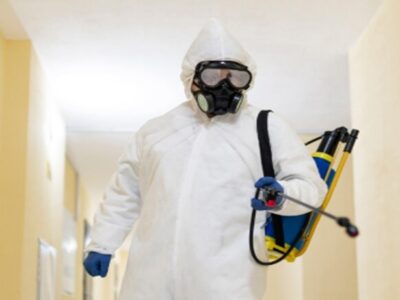
While DIY measures work for minor nuisances, serious infestations often require professional expertise. Licensed pest control professionals bring advanced tools, specialised knowledge, and safe, regulated treatments that the average homeowner cannot replicate.

The Environmental Imperative: Pest Control with Care

Misuse of pesticides can cause unintended harm to pollinators, pets, and even human health. That is why responsible pest control companies increasingly adopt eco-friendly solutions, using targeted treatments and bio-pesticides derived from natural sources.

Innovations such as pheromone traps, heat treatments for bed bugs, and biological controls like beneficial nematodes for garden pests reflect a growing commitment to balancing human comfort with ecological responsibility.

Seasonal Challenges: Pest Control Year-Round

Pests are persistent and opportunistic, adapting to seasonal conditions. Awareness of seasonal trends helps homeowners stay ahead.

  • Spring: Ants, termites, and wasps become more active as temperatures rise.

  • Summer: Mosquitoes, flies, and stinging insects peak in warm weather.

  • Autumn: Rodents seek shelter indoors as the weather cools.

  • Winter: Pests like cockroaches and mice remain active indoors, exploiting warm hiding places.

A proactive plan that addresses these seasonal shifts can keep surprises at bay.

Looking Ahead: The Future of Pest Control

As urbanisation expands and climate change shifts pest patterns, the pest control industry faces new challenges. Warmer winters can extend pest breeding seasons. Global travel introduces exotic species to new regions.

Future pest control will lean more heavily on technology—smart traps that send alerts to smartphones, drones for large-scale monitoring, and AI to predict infestations before they take hold. Sustainability will remain a guiding principle, ensuring that solutions safeguard both human health and the natural world.

Conclusion: Peace of Mind Through Proactive Care

Pest control is not simply about exterminating intruders; it is about maintaining the sanctity and safety of our homes. A well-protected house is a testament to vigilance, cleanliness, and respect for the environment.

When approached thoughtfully, pest control becomes a quiet act of stewardship—preserving not only our living spaces but also the delicate balance we share with the creatures that live just beyond our walls. So, defend your domain wisely, and rest assured that your home remains the calm, healthy refuge it was meant to be.

What is your reaction?

Excited
0
Happy
0
In Love
0
Not Sure
0
Silly
0

You may also like

Comments are closed.